
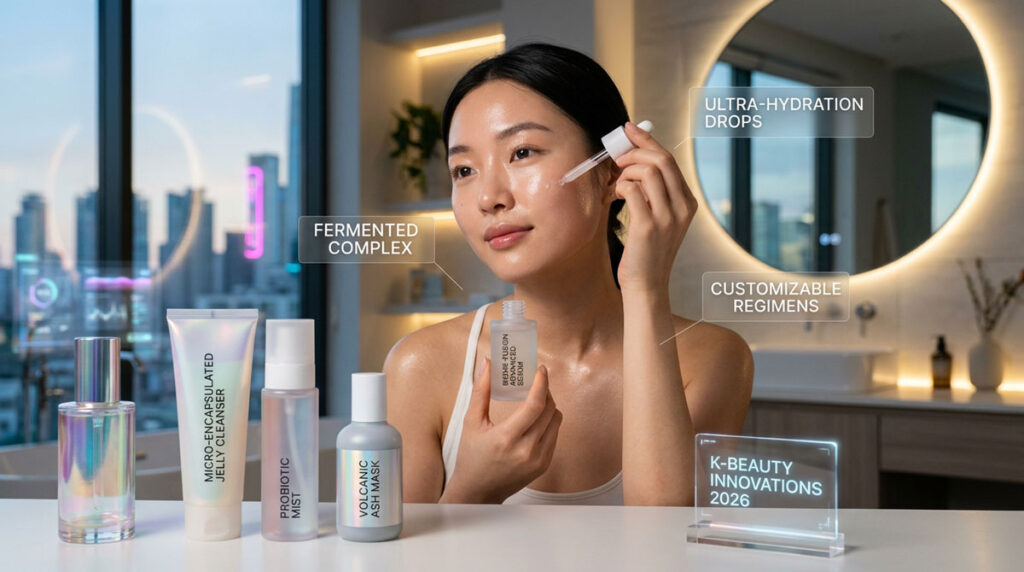
Korean skincare continues to lead the global beauty industry, and 2026 is proving to be one of the most innovative years yet. While previous years focused heavily on multi-step routines and viral ingredients, today’s K-beauty landscape is becoming more science-driven, personalized, and focused on long-term skin health.
Instead of chasing quick fixes, consumers are embracing skincare that supports skin longevity, barrier repair, and healthy aging. From advanced bioactive ingredients to simplified routines, these are the Korean skincare trends dominating 2026.
Why Korean Skincare Continues to Lead Global Beauty
K-beauty has earned its reputation by combining cutting-edge research with effective formulations. The latest trends focus on maintaining healthy skin rather than correcting damage after it occurs.
Major themes shaping 2026 include:
- Skin longevity
- Barrier-first skincare
- Bio-regenerative ingredients
- Personalized beauty
- Simplified routines
- Sustainable innovation
1. PDRN Is Becoming the Star Ingredient of 2026
One of the most talked-about ingredients in Korean skincare is PDRN (Polydeoxyribonucleotide), often referred to as “salmon DNA skincare.”
Originally used in dermatology clinics, PDRN is now appearing in everyday skincare products designed to support skin repair, hydration, elasticity, and collagen production. Many industry experts consider it one of the defining ingredients of modern K-beauty.
Benefits of PDRN
- Supports skin regeneration
- Helps improve elasticity
- Reduces visible signs of aging
- Promotes healthier-looking skin
- Enhances skin recovery
As demand grows, brands are also developing plant-based and vegan alternatives inspired by PDRN technology.
2. Exosome Skincare Is Moving Into the Mainstream
Exosomes have become one of the hottest skincare innovations in Korea.
These microscopic cellular messengers are being incorporated into serums, ampoules, and treatment-focused products aimed at improving skin repair and resilience. While research continues to evolve, exosome-based skincare is rapidly becoming a major category within advanced K-beauty.
Why Consumers Are Interested
- Supports skin renewal
- Enhances barrier function
- Helps improve skin texture
- Promotes a healthier complexion
Many experts believe exosomes represent the next evolution of regenerative skincare.
3. Barrier-First Skincare Is Replacing Harsh Treatments
For years, consumers focused heavily on active ingredients such as strong acids and aggressive exfoliants.
In 2026, Korean skincare is prioritizing skin barrier health.
Rather than overloading the skin with treatments, consumers are choosing products that strengthen and protect the skin barrier using ingredients such as:
- Ceramides
- Centella Asiatica (Cica)
- Panthenol
- Ectoin
- Madecassoside
This shift helps reduce irritation, redness, and sensitivity while improving overall skin resilience.
4. Skin Longevity Is the New Anti-Aging
The phrase “anti-aging” is gradually being replaced by “skin longevity.”
Instead of trying to reverse aging, skincare brands are focusing on maintaining healthy, functional skin for the long term.
This trend includes:
- Preventative skincare
- Collagen support
- Cellular health
- Antioxidant protection
- Daily barrier maintenance
Consumers are looking for sustainable results rather than temporary fixes.
5. The Rise of Skip-Care and Simplified Routines
The famous 10-step Korean skincare routine is no longer the standard.
In 2026, many consumers prefer “skip-care” routines that focus on fewer but more effective products.
Benefits include:
- Less irritation
- Reduced skincare costs
- Easier daily routines
- Better consistency
Modern formulations often combine multiple benefits into a single product, reducing the need for excessive layering.
6. Glass Skin Evolves Into “Glass Skin 2.0”
Glass skin remains popular, but the trend is evolving.
Instead of an ultra-shiny appearance, consumers are pursuing smoother texture, refined pores, and healthy radiance.
Experts are calling this next phase “Glass Skin 2.0″—a look focused on skin quality rather than excessive glow.
Key Focus Areas
- Deep hydration
- Even skin tone
- Smooth texture
- Strong skin barrier
- Natural luminosity
7. Fermented Ingredients Continue to Thrive
Fermentation remains a cornerstone of Korean skincare innovation.
Modern fermentation techniques help improve ingredient absorption and effectiveness.
Popular fermented ingredients include:
- Galactomyces
- Fermented rice extracts
- Fermented ginseng
- Probiotic complexes
These ingredients are valued for supporting hydration, radiance, and skin barrier function.
8. Cooling Skincare Is Becoming a Major Trend
As consumers become more concerned about inflammation, redness, and environmental stress, cooling skincare products are growing in popularity.
Popular products include:
- Cooling masks
- Cooling sunscreens
- Cryo-inspired serums
- Ice-effect moisturizers
These formulations aim to soothe the skin while providing immediate comfort and hydration.
9. Traditional Korean Ingredients Are Making a Comeback
One of the most notable K-beauty trends in 2026 is the renewed focus on traditional Korean skincare ingredients. While the industry continues to innovate, many brands are revisiting time-tested botanical extracts that have been used in Korean beauty rituals for generations.
Some of the most popular traditional ingredients include:
Ginseng
Ginseng remains a cornerstone of Korean skincare due to its antioxidant-rich properties. It is commonly used in products designed to support skin vitality, improve the appearance of dullness, and promote a healthier-looking complexion.
Mung Bean
Mung bean is gaining renewed attention for its gentle cleansing and soothing qualities. This traditional ingredient is often incorporated into skincare formulas to help calm the skin, balance excess oil, and support overall skin comfort.
Rice Extract
Rice extract continues to be widely used for its hydrating and skin-brightening benefits. Many skincare products feature rice-derived ingredients to help improve the appearance of uneven skin tone while maintaining moisture levels.
As consumers become more interested in ingredient transparency and cultural heritage, traditional Korean ingredients are finding a place alongside modern skincare innovations. This blend of historical beauty practices and scientific research is helping shape the future of K-beauty.
10. Personalized Beauty Powered by Technology
Technology is playing a larger role in skincare decisions.
Brands and clinics are increasingly offering:
- AI skin analysis
- Personalized skincare recommendations
- Customized treatment plans
- Digital skin tracking
This trend allows consumers to make more informed skincare choices based on their individual skin concerns.
Common Mistakes to Avoid When Following K-Beauty Trends
Following Every Viral Product Without Research
Social media trends can be exciting, but not every popular skincare product is suitable for every skin type. Always choose products based on your individual skin concerns and needs rather than popularity alone.
Neglecting Skin Barrier Health
A strong skin barrier is essential for maintaining healthy, balanced skin. Prioritize gentle cleansing, adequate hydration, and barrier-supporting ingredients to help protect your skin from irritation and environmental stressors.
Layering Too Many Active Ingredients
Using multiple active ingredients at the same time can increase the risk of redness, dryness, and sensitivity. Introduce new products gradually and follow product instructions carefully to avoid overloading your skin.
Expecting Immediate Results
Many Korean skincare products are designed to deliver gradual, long-term improvements rather than overnight transformations. Consistency and patience are key to achieving healthier, more radiant-looking skin.
Frequently Asked Questions
What is the biggest Korean skincare trend in 2026?
PDRN, exosome skincare, and skin longevity-focused routines are among the most influential trends this year.
Is the 10-step Korean skincare routine still popular?
Simplified routines and skip-care approaches are increasingly replacing lengthy skincare regimens.
What is Glass Skin 2.0?
An updated version of the glass skin trend focused on smooth texture, refined pores, and healthy radiance rather than excessive shine.
Are exosomes safe in skincare?
Exosome skincare is growing rapidly, although research into topical applications is still evolving.
What ingredients should I watch in 2026?
PDRN, exosomes, peptides, ceramides, fermented ingredients, centella asiatica, and glutathione are among the most discussed ingredients.
Conclusion
The best Korean skincare trends of 2026 reflect a major shift toward healthier, smarter skincare. Rather than relying on complicated routines, today’s K-beauty focuses on skin longevity, barrier repair, bioactive ingredients, and personalized solutions.
Whether you’re interested in PDRN, exosome technology, cooling skincare, or simplified routines, the future of K-beauty is centered on achieving healthy, resilient skin that looks great today and for years to come.
Stay tuned to Razzling Dazzling for more expert skincare insights, beauty trend forecasts, and practical tips to help you build your best skincare routine yet.