
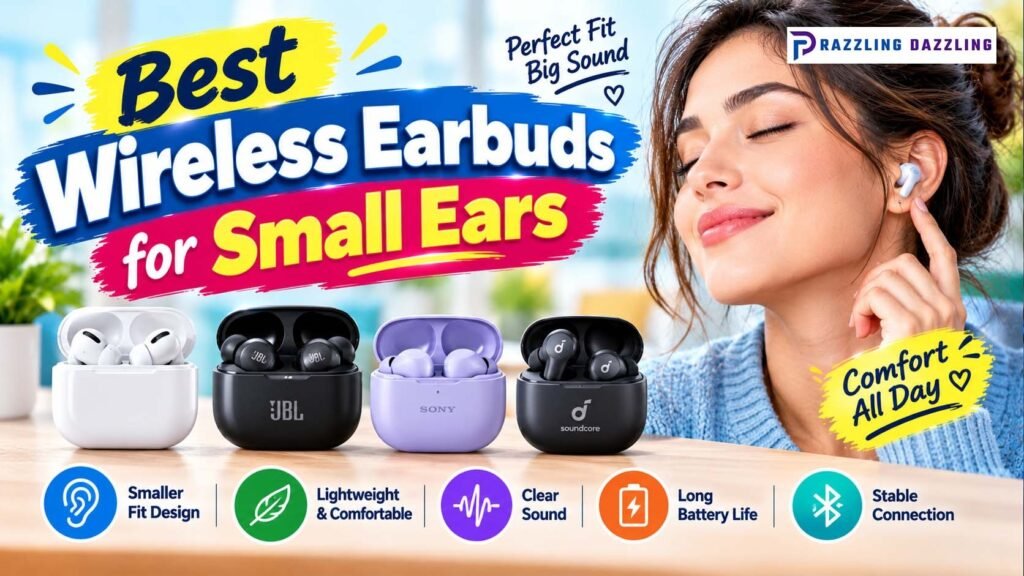
Finding the perfect pair of wireless earbuds can be challenging, especially if you have small ears. Many earbuds are designed with a one-size-fits-most approach, which often leaves users with smaller ear canals dealing with discomfort, poor fit, ear fatigue, or earbuds that constantly fall out.
Fortunately, manufacturers have made significant improvements in recent years. The best wireless earbuds for small ears in 2026 offer compact designs, multiple ear tip sizes, lightweight construction, and advanced ergonomic engineering that deliver both comfort and excellent audio performance.
Whether you’re listening to music during workouts, taking calls throughout the day, commuting, gaming, or simply enjoying your favorite podcasts, the right earbuds can make all the difference. A secure and comfortable fit not only improves your listening experience but also enhances sound quality and noise isolation.
In this guide, we’ll explore everything you need to know about choosing wireless earbuds for small ears, including key features, benefits, buying considerations, and the latest trends shaping the market in 2026.
Why Earbud Fit Matters More Than You Think
Many people focus primarily on sound quality when shopping for earbuds. While audio performance is important, fit plays an equally critical role.
Poorly fitting earbuds can cause:
- Ear pain and discomfort
- Frequent readjustments
- Earbuds falling out during activity
- Reduced bass response
- Poor noise isolation
- Listening fatigue
For users with smaller ears, these issues can be even more noticeable. Fortunately, manufacturers are increasingly designing earbuds with a wider range of ear tip options and more compact housings to accommodate different ear shapes and sizes.
A properly fitting earbud creates a secure seal inside the ear canal, improving comfort, sound quality, and overall listening satisfaction.
Benefits of Wireless Earbuds Designed for Small Ears
- Improved Comfort: The biggest advantage is enhanced comfort. Compact earbuds place less pressure on the ear canal and outer ear, allowing for longer listening sessions without irritation.
- Better Stability: A snug fit helps earbuds stay securely in place while walking, exercising, commuting, or working.
- Enhanced Sound Quality: When earbuds fit correctly, they create a better acoustic seal. This improves bass performance, audio clarity, and overall sound balance.
- More Effective Noise Isolation: A proper seal helps block external noise naturally, making active noise cancellation systems even more effective.
- Reduced Ear Fatigue: Lightweight earbuds with ergonomic designs minimize strain, allowing users to wear them for hours comfortably.
Key Features to Look for in Wireless Earbuds for Small Ears
Multiple Ear Tip Sizes
This is one of the most important features.
Look for earbuds that include:
- Extra-small (XS) ear tips
- Small (S) ear tips
- Medium (M) ear tips
- Large (L) ear tips
The more size options available, the easier it becomes to find a comfortable fit.
Compact Earbud Design
Smaller earbud housings generally fit better in smaller ears.
Many premium earbuds now feature redesigned internal components that reduce overall size without sacrificing performance.
Lightweight Construction
Heavy earbuds are more likely to shift or become uncomfortable during extended use.
Look for models weighing only a few grams per earbud for maximum comfort.
Ergonomic Shape
Modern earbuds are often designed using extensive ear-mapping research to fit naturally within the contours of the ear.
An ergonomic shape improves both comfort and stability.
Secure Fit Features
Some earbuds include:
- Ear wings
- Stabilizing fins
- Flexible hooks
- Adjustable supports
These additions can help keep earbuds secure during workouts and daily activities.
Active Noise Cancellation (ANC)
A secure fit improves ANC effectiveness, making it easier to enjoy music and calls without distractions from external noise.
Best Types of Wireless Earbuds for Small Ears
True Wireless Earbuds
These are the most popular option in 2026.
Advantages include:
- No cables
- Compact charging cases
- Excellent portability
- Advanced features
They’re ideal for everyday use and travel.
Sports Earbuds
Active users may prefer earbuds designed specifically for exercise.
These models often include:
- Sweat resistance
- Ear wings
- Enhanced stability
- Rugged construction
Open-Ear Earbuds
Open-ear designs avoid placing pressure inside the ear canal.
Benefits include:
- Increased comfort
- Better awareness of surroundings
- Reduced ear fatigue
They can be an excellent alternative for users who dislike traditional in-ear earbuds.
How Earbud Size Affects Sound Quality
Many users are surprised to learn that earbud fit directly impacts audio quality.
When earbuds fit properly:
- Bass becomes deeper and more accurate
- Vocals sound clearer
- Noise isolation improves
- Audio balance remains consistent
When earbuds fit poorly:
- Bass response decreases
- External noise leaks in
- Music sounds thinner
- Volume levels may seem lower
Even the most expensive earbuds can sound disappointing if they don’t fit correctly.
Wireless Earbuds for Different Activities
For Work and Productivity
Professionals should prioritize:
- Comfortable all-day wear
- Excellent microphone quality
- Multipoint connectivity
- Reliable battery life
For Fitness and Exercise
Active users benefit from:
- Secure fit systems
- Water resistance
- Lightweight designs
- Strong battery performance
For Travel
Frequent travelers should consider:
- Active noise cancellation
- Compact charging cases
- Long battery life
- Fast charging support
For Entertainment
Music lovers may prefer earbuds that offer:
- Rich bass response
- Detailed audio reproduction
- Custom EQ controls
- High-resolution audio support
Common Mistakes When Buying Earbuds for Small Ears
- Ignoring Ear Tip Options: Many buyers overlook included ear tip sizes. Always verify that extra-small or small ear tips are available.
- Choosing Based Only on Brand: A popular brand doesn’t guarantee a comfortable fit. Comfort and fit should always be priorities.
- Overlooking Weight: Even small differences in earbud weight can affect comfort during long listening sessions.
- Focusing Only on Audio Quality: The best-sounding earbuds won’t provide a great experience if they constantly fall out.
- Skipping Fit Testing: Many companion apps now offer ear fit tests that help optimize comfort and sound performance. Take advantage of these tools whenever available.
Latest Wireless Earbud Trends in 2026
The wireless earbud market continues to evolve rapidly.
- AI-Powered Audio Optimization: Artificial intelligence can now adjust sound profiles based on listening habits and environmental conditions.
- Personalized Ear Mapping: Some premium earbuds analyze ear shape and customize audio output accordingly.
- Adaptive Noise Cancellation: ANC systems automatically adjust based on surrounding noise levels.
- Improved Battery Technology: New battery designs deliver longer listening times while maintaining compact earbud sizes.
Health and Wellness Features
Many earbuds now include:
- Hearing health monitoring
- Posture reminders
- Activity tracking
- Voice assistant integration
How to Maintain Your Wireless Earbuds
Proper maintenance can improve both comfort and longevity.
- Clean Ear Tips Regularly: Remove debris and earwax buildup to maintain hygiene and sound quality.
- Store Properly: Always keep earbuds in their charging case when not in use.
- Update Firmware: Manufacturers frequently release software updates that improve performance and add new features.
- Replace Ear Tips When Needed: Worn ear tips can affect comfort and sound quality. Replacing them periodically ensures the best experience.
Finding the best wireless earbuds for small ears in 2026 doesn’t have to be difficult. By focusing on comfort, fit, ear tip options, weight, and ergonomic design, you can enjoy a significantly better listening experience.
A properly fitting pair of earbuds offers more than just comfort—it improves audio quality, noise isolation, stability, and overall satisfaction. Whether you’re working, exercising, traveling, or relaxing at home, the right earbuds can transform the way you enjoy your favorite content.
As wireless audio technology continues to improve, users with smaller ears now have more excellent options than ever before.
Why Trust Razzling Dazzling?
At Razzling Dazzling, we’re committed to helping readers make smarter buying decisions through honest research, practical advice, and trustworthy recommendations. Our team carefully analyzes product performance, real-world user feedback, industry trends, and emerging technologies to provide content that’s both informative and easy to understand.
Whether you’re shopping for wireless earbuds, smart home devices, tech accessories, or lifestyle products, our goal is to simplify the decision-making process and help you find products that truly fit your needs.
Frequently Asked Questions (FAQs)
Are wireless earbuds for small ears different from regular earbuds?
Yes. They typically feature smaller housings, lightweight designs, and extra-small ear tips that provide a more comfortable and secure fit.
What ear tip size is best for small ears?
Most users with small ears find XS or Small silicone ear tips provide the most comfortable fit and effective seal.
Can small earbuds still provide strong bass?
Absolutely. A proper seal is more important than earbud size when it comes to bass performance.
Are wireless earbuds for small ears good for workouts?
Yes. Many models include stabilizing wings, fins, or ergonomic designs that help keep them secure during exercise.
Do smaller earbuds have shorter battery life?
Not necessarily. Advances in battery technology allow many compact earbuds to offer impressive battery performance.
Are open-ear earbuds better for small ears?
They can be. Open-ear designs avoid pressure inside the ear canal and may be more comfortable for some users.
How do I know if earbuds fit correctly?
Properly fitting earbuds should feel secure, remain comfortable during extended use, and provide effective noise isolation without causing pressure or pain.
How often should I replace ear tips?
Most users should replace ear tips every few months, depending on usage, hygiene, and wear.
Looking for more expert tech recommendations? Explore the latest buying guides, product reviews, and technology insights at Razzling Dazzling. We regularly update our content to help you discover the best gadgets, accessories, and smart solutions available today. Bookmark our site and join our growing community of readers who rely on trusted advice to make smarter purchasing decisions.