
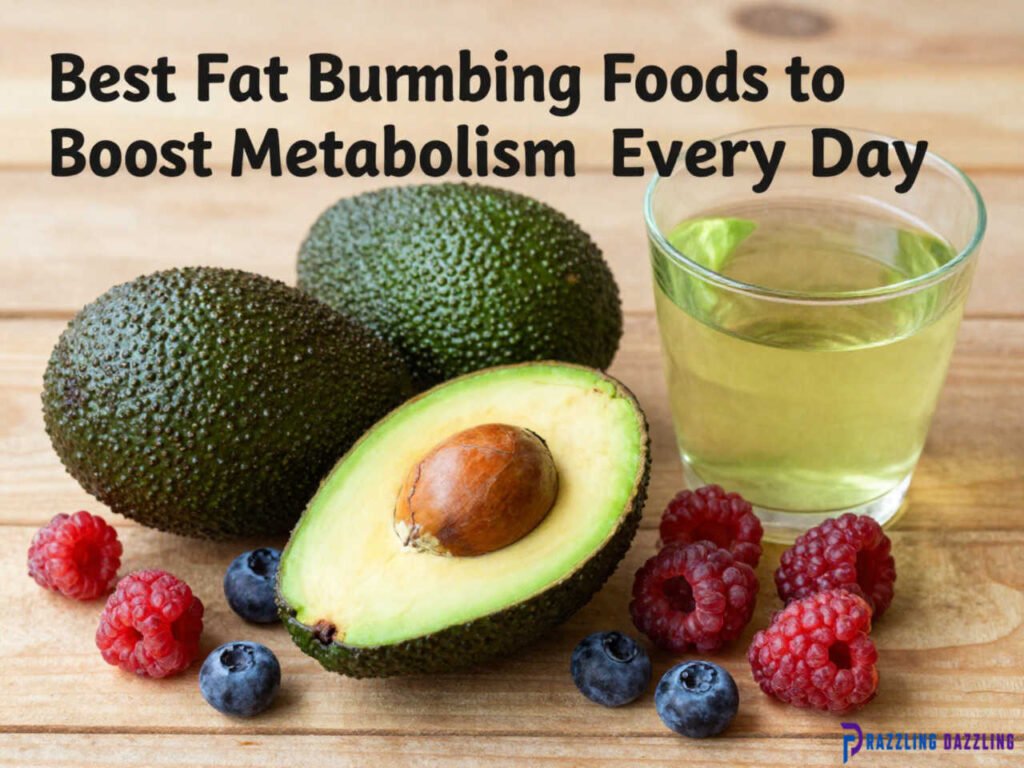
Maintaining a healthy weight is about more than simply counting calories. The foods you eat can influence your metabolism, help you feel full longer, support muscle maintenance, and provide lasting energy throughout the day. While no single food can magically burn away body fat, certain nutrient-rich foods can naturally support your body’s ability to burn calories more efficiently when combined with regular exercise, quality sleep, and a balanced lifestyle.
At Razzling Dazzling, we believe that sustainable health comes from making smart, practical choices instead of following restrictive diets or relying on miracle weight-loss products. By adding metabolism-friendly foods to your daily meals, you can support your wellness goals while enjoying delicious, satisfying meals.
Understanding How Fat Burning Foods Work
Many people assume that “fat-burning foods” directly melt body fat. In reality, these foods work by supporting healthy metabolic processes. Some increase the number of calories your body uses during digestion, while others help regulate blood sugar, reduce cravings, or provide protein that preserves lean muscle mass.
Several factors affect metabolism, including:
- Age
- Gender
- Muscle mass
- Physical activity
- Genetics
- Hormonal balance
- Sleep quality
Although food alone cannot dramatically change your metabolism, choosing the right foods consistently can make a meaningful difference over time.
Why Metabolism Matters
Metabolism refers to all the chemical reactions your body performs to convert food into energy. A healthy metabolism helps your body:
- Burn calories efficiently
- Produce energy throughout the day
- Maintain muscle tissue
- Support healthy hormone function
- Improve physical performance
- Aid healthy weight management
Eating metabolism-supporting foods can complement an active lifestyle and help your body function at its best.
Top Fat Burning Foods to Eat Every Day
Eggs
Eggs are among the best high-protein foods for weight management. They contain all nine essential amino acids and help preserve lean muscle, which naturally burns more calories than fat tissue.
Benefits include:
- High-quality protein
- Keeps you full longer
- Supports muscle recovery
- Rich in vitamins B12 and D
- Low in calories
A protein-rich breakfast with eggs may reduce hunger throughout the day.
Lean Chicken Breast
Chicken breast is an excellent source of lean protein with very little saturated fat.
Advantages include:
- Supports muscle growth
- Increases satiety
- Boosts the thermic effect of food
- Easy to prepare in various healthy recipes
Grilled or baked chicken pairs well with vegetables and whole grains for a balanced meal.
Fish Rich in Omega-3 Fatty Acids
Fatty fish such as salmon, sardines, tuna, and mackerel provide healthy fats that support metabolism and heart health.
These fish offer:
- Omega-3 fatty acids
- High-quality protein
- Vitamin D
- Anti-inflammatory properties
Aim to include fish in your meals two to three times per week.
Greek Yogurt
Greek yogurt contains significantly more protein than regular yogurt while offering beneficial probiotics.
Benefits include:
- Supports gut health
- High in calcium
- Promotes fullness
- Excellent post-workout snack
Choose plain, unsweetened varieties to avoid added sugars.
Cottage Cheese
Cottage cheese is another protein-packed dairy option.
It contains:
- Casein protein
- Calcium
- Phosphorus
- Vitamin B12
Its slow-digesting protein helps reduce hunger between meals.
Leafy Green Vegetables
Leafy greens are low in calories but packed with nutrients.
Great choices include:
- Spinach
- Kale
- Swiss chard
- Lettuce
- Collard greens
These vegetables provide:
- Fiber
- Iron
- Magnesium
- Vitamin K
- Antioxidants
High-fiber vegetables help fill your stomach without adding excessive calories.
Broccoli
Broccoli is considered one of the healthiest vegetables available.
Its benefits include:
- Rich in fiber
- Vitamin C
- Potassium
- Plant compounds that support overall health
Roasted, steamed, or stir-fried broccoli makes an excellent side dish.
Chili Peppers
Capsaicin, the active compound in chili peppers, may temporarily increase calorie burning.
Additional benefits include:
- Enhanced flavor without extra calories
- Possible appetite reduction
- Rich in vitamin C
Enjoy chili peppers in moderation if you tolerate spicy foods.
Green Tea
Green tea is one of the most researched beverages for metabolism support.
It contains:
- Catechins
- Natural caffeine
- Powerful antioxidants
Drinking green tea regularly may slightly increase calorie expenditure while supporting overall health.
Coffee
Black coffee contains caffeine, which can temporarily improve alertness and increase metabolic rate.
For maximum benefits:
- Drink without excessive sugar
- Avoid high-calorie creamers
- Consume in moderation
Too much caffeine may interfere with sleep, which can negatively affect metabolism.
Oats
Oats are rich in soluble fiber, particularly beta-glucan.
Health benefits include:
- Stable blood sugar
- Improved digestion
- Long-lasting fullness
- Heart health support
A bowl of oatmeal with berries and nuts makes an ideal breakfast.
Brown Rice
Replacing refined grains with whole grains can improve satiety.
Brown rice provides:
- Fiber
- Magnesium
- B vitamins
- Complex carbohydrates
Whole grains digest more slowly, helping maintain steady energy levels.
Quinoa
Quinoa is a complete plant protein that also supplies fiber.
It offers:
- Nine essential amino acids
- Iron
- Magnesium
- Zinc
Its balanced nutritional profile supports healthy eating goals.
Beans and Lentils
Legumes combine plant protein and fiber, making them excellent fat-loss foods.
Examples include:
- Black beans
- Kidney beans
- Chickpeas
- Lentils
- Pinto beans
Benefits include:
- Long-lasting fullness
- Stable blood sugar
- Improved digestion
- Affordable nutrition
Apples
Apples are naturally sweet while remaining relatively low in calories.
Their fiber helps:
- Reduce cravings
- Improve digestion
- Promote fullness
Eating whole fruit is generally more satisfying than drinking fruit juice.
Berries
Blueberries, strawberries, raspberries, and blackberries provide antioxidants and fiber.
Regular consumption may support:
- Heart health
- Blood sugar management
- Healthy digestion
- Reduced inflammation
They make excellent snacks or smoothie ingredients.
Citrus Fruits
Oranges, grapefruits, lemons, and limes provide vitamin C and hydration.
Citrus fruits:
- Are naturally low in calories
- Contain fiber
- Support immune function
- Make refreshing snacks
Avocados
Although calorie-dense, avocados contain heart-healthy monounsaturated fats.
Benefits include:
- Increased satiety
- Potassium
- Fiber
- Healthy fats
Moderation is important because of their calorie content.
Nuts
Almonds, walnuts, pistachios, and cashews provide healthy fats, protein, and fiber.
Eating small portions may:
- Reduce hunger
- Support heart health
- Improve diet quality
Stick to one handful per serving.
Chia Seeds
These tiny seeds pack an impressive nutritional punch.
They provide:
- Omega-3 fats
- Fiber
- Protein
- Calcium
They absorb water, helping increase feelings of fullness.
Flaxseeds
Ground flaxseeds contain fiber and healthy fats that complement a balanced diet.
Try adding them to:
- Yogurt
- Smoothies
- Oatmeal
- Homemade baked goods
Sweet Potatoes
Sweet potatoes offer slow-digesting carbohydrates and valuable nutrients.
They contain:
- Fiber
- Potassium
- Vitamin A
- Vitamin C
They are excellent alternatives to processed starches.
Cinnamon
While cinnamon isn’t a miracle spice, it may help support healthy blood sugar control when paired with a balanced diet.
Use it in:
- Oatmeal
- Coffee
- Yogurt
- Smoothies
Ginger
Ginger has been traditionally used for digestive health.
It may also:
- Support healthy digestion
- Add flavor naturally
- Complement healthy meals
Fresh ginger works well in tea, stir-fries, and soups.
Apple Cider Vinegar
Some studies suggest apple cider vinegar may slightly improve feelings of fullness.
Use it safely by:
- Mixing with water
- Adding to salad dressings
- Never drinking it undiluted
It should not replace healthy eating habits.
Healthy Eating Habits That Boost Metabolism
Even the healthiest foods work best when combined with smart daily habits.
Eat Enough Protein
Protein requires more energy to digest than carbohydrates or fats.
Aim to include protein in every meal.
Stay Hydrated
Water supports nearly every metabolic process.
Drinking water before meals may also help reduce overeating.
Don’t Skip Breakfast
A balanced breakfast provides energy and helps many people avoid excessive snacking later.
Exercise Regularly
Strength training builds muscle, while cardio burns calories.
Combining both offers the greatest long-term benefits.
Sleep Well
Poor sleep disrupts hormones that regulate hunger and appetite.
Adults should generally aim for 7–9 hours of quality sleep.
Manage Stress
Chronic stress may increase cravings and emotional eating.
Helpful stress-management techniques include:
- Walking
- Meditation
- Deep breathing
- Reading
- Yoga
Foods That May Slow Weight Loss
Reducing these foods can help support healthy metabolism:
- Sugary soft drinks
- Candy
- Deep-fried foods
- Refined pastries
- Highly processed snacks
- Excess alcohol
- Fast food
- Sweetened breakfast cereals
These foods often provide many calories with limited nutritional value.
Sample One-Day Fat-Burning Meal Plan
Breakfast
- Oatmeal topped with blueberries and chia seeds
- One boiled egg
- Green tea
Morning Snack
- Greek yogurt with strawberries
Lunch
- Grilled chicken breast
- Brown rice
- Steamed broccoli
Afternoon Snack
- Apple with a handful of almonds
Dinner
- Baked salmon
- Roasted sweet potato
- Mixed green salad
Evening
- Herbal tea if desired
This balanced approach provides protein, fiber, healthy fats, and complex carbohydrates.
Building Long-Term Healthy Habits
Lasting weight management comes from consistency rather than perfection. Focus on:
- Eating whole foods most of the time
- Cooking at home more often
- Controlling portion sizes
- Staying active every day
- Drinking plenty of water
- Sleeping well
- Being patient with progress
Small improvements practiced consistently often produce better long-term results than extreme diets.
FAQs About Fat Burning Foods
Are fat burning foods enough to lose weight?
No. Fat-burning foods support healthy metabolism, but successful weight loss also depends on overall calorie balance, regular exercise, good sleep, and healthy lifestyle habits.
Which food boosts metabolism the most?
High-protein foods such as eggs, chicken, fish, Greek yogurt, and legumes generally have the greatest impact because protein requires more energy to digest.
How much protein should I eat daily?
Protein needs vary based on age, activity level, and health goals. Many adults benefit from including a quality protein source with every meal, but personalized recommendations should come from a healthcare professional or registered dietitian.
Is green tea better than coffee for metabolism?
Both can provide a modest temporary boost to metabolism due to their natural compounds. Green tea offers antioxidants, while coffee contains more caffeine. The better choice depends on your preferences and tolerance.
Can I eat healthy fats while trying to lose weight?
Yes. Healthy fats from avocados, nuts, seeds, olive oil, and fatty fish support overall health and help keep you satisfied. Portion control remains important because fats are calorie-dense.
There is no magic food that instantly burns body fat, but many nutritious foods can help support a healthy metabolism and make weight management easier. Protein-rich foods, fiber-packed vegetables, whole grains, healthy fats, and antioxidant-rich fruits all play valuable roles in a balanced eating plan.
We encourage choosing sustainable habits over quick fixes. By filling your plate with wholesome foods, staying physically active, drinking enough water, and maintaining a consistent routine, you can naturally support your metabolism and enjoy better health every day.