
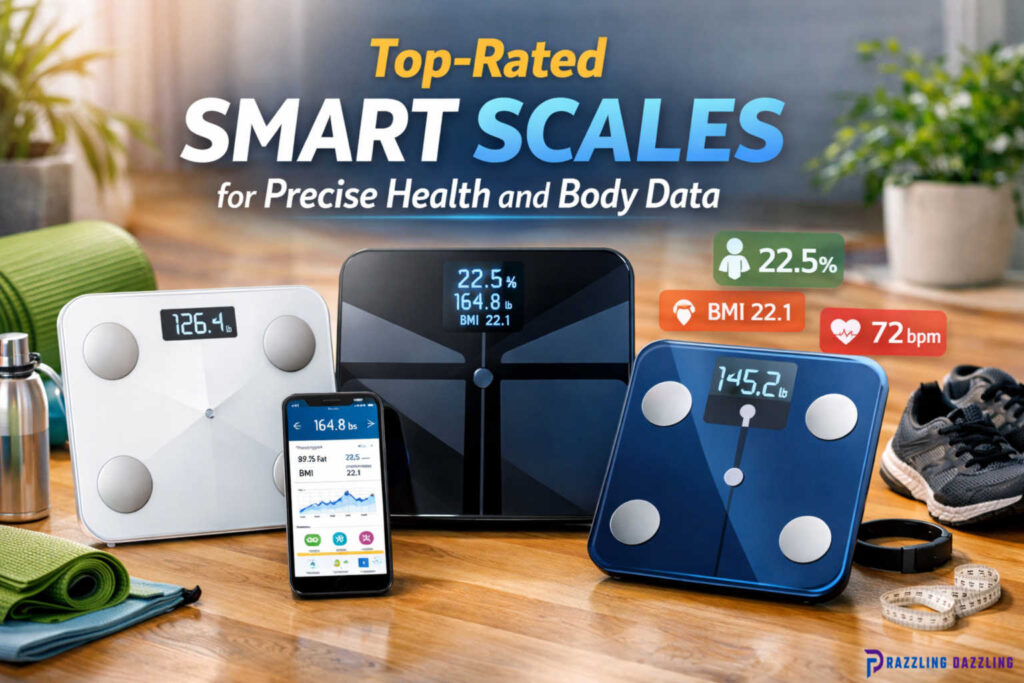
In today’s health-conscious world, tracking your body metrics goes well beyond just monitoring weight. Smart scales have become one of the most effective and popular tools for gaining deeper insights into your overall health. Whether you’re focused on weight loss, muscle gain, fitness performance, or simply tracking your wellness journey, a smart scale can provide meaningful data to guide your progress.
This extensive guide from Razzling Dazzling explores the best smart scales available, breaks down the most useful features, explains how to interpret the data, and helps you find the right device that fits your lifestyle and goals.
Why Smart Scales Matter More Than Ever
Traditional bathroom scales only tell you one thing: your weight. But weight alone doesn’t paint the full picture of your health. Smart scales, on the other hand, connect to your smartphone or fitness platform and deliver multiple body metrics over time, including:
- Body fat percentage
- Body mass index (BMI)
- Muscle mass
- Bone mass
- Water percentage
- Basal metabolic rate (BMR)
- Visceral fat
These measurements help you understand how your body is changing, not just what the number on the scale says.
Smart scales are especially useful for people who are:
- Tracking fitness progress
- Trying to lose or gain weight
- Monitoring fat and muscle balance
- Focused on long-term health trends
How Smart Scales Work
Smart scales use bioelectrical impedance analysis (BIA) to estimate body composition. This technique sends a harmless electrical signal through your body and measures the resistance encountered. Fat, muscle, bone, and water conduct electricity differently, allowing the scale to approximate various body measurements.
While smart scale readings aren’t as precise as laboratory equipment, they’re highly useful for tracking trends and progress over time.
Key Features to Look For
Before diving into specific products, it’s important to understand the features that matter most:
Accuracy and Consistency
A good smart scale should deliver consistent readings over time. Daily fluctuations are normal, but the trends should be reliable.
Multi-Metric Tracking
Some smart scales only measure weight, but the best ones provide comprehensive body composition data.
App Integration
Look for scales that sync easily with a dedicated app and popular fitness platforms like Apple Health, Google Fit, or Fitbit.
Multiple User Profiles
If your household has more than one person using the scale, support for multiple profiles is essential.
Ease of Use
Quick setup and simple daily use make a big difference in staying engaged with your health tracking.
Design and Build Quality
A sturdy scale with a clear display and modern design improves the user experience.
Top-Rated Smart Scales for Precise Health Data
Below are some of the highest-rated smart scales available today, selected for accuracy, features, reliability, and value.
Withings Body+ Smart Body Composition Scale
One of the most respected smart scales on the market, the Withings Body+ stands out for its accuracy and rich data offering.
Why It’s Great
- Tracks weight, body fat, water %, muscle & bone mass
- Syncs with Apple Health, Google Fit, and more
- Wi-Fi and Bluetooth connectivity
- Up to 8 user profiles
- Pregnancy and athlete modes
Best For: Anyone who wants comprehensive metrics with seamless ecosystem integration.
Eufy Smart Scale P1
A strong contender for reliable readings and excellent value, the Eufy P1 delivers detailed composition metrics at an accessible price.
Key Features
- Measures weight, body fat, muscle mass, BMI, and more
- Sports multiple user profiles
- Syncs with major fitness apps
- Sleek tempered glass design
Best For: Users seeking accurate analytics without a premium price tag.
Fitbit Aria Air Bluetooth Smart Scale
Perfect for active Fitbit users, the Aria Air tracks weight and BMI while syncing seamlessly with the Fitbit ecosystem.
Why Choose It
- Simple and intuitive setup
- Syncs automatically to Fitbit app
- Great for users already in the Fitbit environment
- Clean and minimal display
Best For: Fitbit device owners or people wanting basic smart scale tracking.
RENPHO Smart Body Fat Scale
RENPHO scales have become popular for delivering great features and performance at budget-friendly prices.
Highlights
- Tracks 13+ body metrics including body fat, muscle, bone, and water levels
- Works with Apple Health, Google Fit, and Fitbit
- Large LED display
- Multiple user support
Best For: Beginners or budget-minded buyers seeking comprehensive data.
Garmin Index S2 Smart Scale
If you’re already invested in the Garmin ecosystem, the Index S2 is an excellent choice that integrates with your fitness data.
Standout Features
- Measures weight, body fat, water %, and bone/muscle mass
- Syncs via Wi-Fi to Garmin Connect
- Multiple user profiles
- Detailed trend analytics
Best For: Garmin users and fitness data enthusiasts.
QardioBase 2 Smart Scale and Body Analyzer
A premium smart scale that pairs a stylish design with accurate analytics and intuitive app features.
What You’ll Love
- Pregnancy mode
- Impedance analysis for multiple metrics
- Body score tracking over time
- Easy app experience
Best For: Users who want aesthetics plus function.
How to Interpret Smart Scale Data
Smart scale metrics can be confusing without context. Here’s a quick guide to understanding the most common measurements:
Body Fat Percentage
- Indicates how much of your body is made up of fat
- Lower is generally better, but too low can be unhealthy
Muscle Mass
Shows how much muscle your body contains — important for athletes or strength training.
Visceral Fat
The fat stored around your organs. High levels can be linked to health risks.
Water Percentage
Measures the amount of water in your body. Changes may reflect hydration levels.
Bone Mass
Estimates the weight of your bones — useful for monitoring bone health, especially in older adults.
Body Mass Index (BMI)
A ratio of weight to height. Not perfect, but useful as a general guideline.
Remember: Smart scale data is most valuable when tracked over weeks and months, not just viewed daily.
Smart Scales and Fitness Apps
The power of a smart scale increases when paired with fitness platforms. Top apps help you analyze trends, set goals, and compare data over time.
Popular options include:
- Apple Health
- Google Fit
- Fitbit
- Garmin Connect
- MyFitnessPal
Make sure the scale you choose supports the app you prefer for smooth data syncing and comparison.
How to Get More Accurate Smart Scale Results
For truly meaningful data, follow these tips:
Weigh in at the Same Time Daily
Morning, after using the restroom and before eating, offers the most consistent readings.
Bare Feet on the Sensors
Ensure your feet make good contact with the metal sensors for accurate bioelectrical readings.
Stand Still and Correctly
Maintain a neutral stance — don’t lean or shift weight.
Track Trends, Not Single Numbers
Daily numbers fluctuate. Focus on weekly/monthly trends.
Use With Other Health Metrics
Combine scale data with activity, sleep, and nutrition tracking for a full health picture.
Smart Scale Myths and Misconceptions
There are many misconceptions about smart scale readings. Here’s what to know:
Myth: Smart Scales Are Always 100% Accurate
Not true. They estimate body composition, and individual readings can vary. But trends over time are highly useful.
Myth: Body Fat Percentage Is Everything
Body fat percentage is helpful but not the only health metric. Combine it with muscle, water, and activity data.
Myth: One Scale Works the Same for Everyone
Different brands use slightly different algorithms, so values may vary between devices. Choose one scale and stick with it for consistent tracking.
Smart Scales for Special Populations
Seniors
Look for scales with:
- Large display
- Simple app interface
- Stable platform
Bone mass and water tracking are especially useful for older adults.
Athletes and Fitness-Focused Users
Prioritize:
- Detailed muscle mass metrics
- Integration with performance tracking apps
- High precision over weight alone
Weight Loss Journeys
Look for devices that offer:
- Clear body fat tracking
- Weekly progress charts
- Good app habit reminders
How to Choose the Smart Scale That’s Right for You
Follow this decision framework when selecting your smart scale:
Step 1: Define Your Tracking Goals
Weight loss? Muscle gain? Hydration? Long-term wellness?
Step 2: Choose Based on Your Ecosystem
Pick a scale that syncs with your preferred apps.
Step 3: Set Your Budget
Premium scales deliver more insights, but mid-range options often offer the best value.
Step 4: Read Real User Reviews
Look at how others rate accuracy and reliability.
Step 5: Check Features vs Needs
Don’t pay extra for features you won’t use.
Common Beginner Mistakes to Avoid
Newbies often make buying errors such as:
- Choosing based on price alone
- Ignoring app compatibility
- Expecting perfect laboratory-level accuracy
- Comparing metrics between unrelated devices
Avoid these, and your smart scale effort will be much more effective.
Caring for Your Smart Scale
To ensure your device lasts longer and stays accurate:
- Keep the sensors clean
- Use on a flat, hard surface
- Avoid moisture and heat
- Replace batteries as needed
- Update the app regularly
Good care leads to better long-term data.
Common Questions New Smart Scale Buyers Ask
Are smart scales worth the money?
Yes — if you want more insights than just weight. Smart scales provide valuable body composition data and trend tracking.
Do smart scales work without an app?
They typically show weight on the device, but the app unlocks trend tracking and detailed insights.
Can two people use the same smart scale?
Most modern smart scales support multiple user profiles and automatically recognize different users.
How often should I weigh myself?
Daily readings are okay, but weekly or trend views are more meaningful than single measurements.
Are smart scales accurate for everyone?
Accuracy varies based on hydration, posture, and routine. They are best for tracking trends, not exact measurements for clinical use.
Final Buying Advice for 2026 Smart Scales
Smart scales are more than fancy devices — they are powerful tools that help you understand your body better. When chosen wisely and used consistently, they can elevate your health management from guesswork to data-driven clarity.
At Razzling Dazzling, we recommend choosing a scale based on:
- Data accuracy and richness
- App and ecosystem compatibility
- Ease of daily use
- Long-term reliability
Track your journey, focus on trends, and let data guide your progress rather than daily fluctuations.