
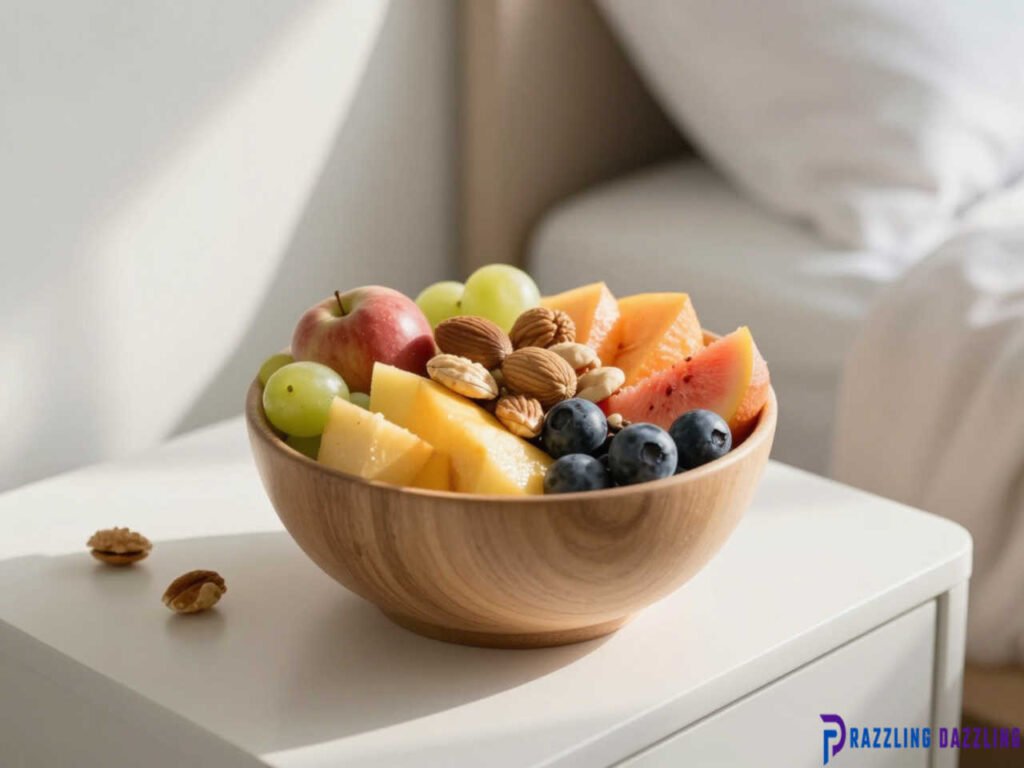
Getting a good night’s sleep is one of the most important parts of maintaining overall health and well-being. Sleep affects your mood, energy levels, immune system, concentration, and even weight management. Unfortunately, many people struggle with poor sleep due to stress, unhealthy habits, or poor dietary choices. While factors like screen time and lifestyle play a role, the foods you eat can also significantly impact your sleep quality.
At Razzling Dazzling, we believe that healthy nutrition is one of the simplest and most natural ways to support better sleep. Certain foods contain nutrients like magnesium, tryptophan, melatonin, and calcium that help relax the body and promote restful sleep naturally.
In this guide, we will explore the best healthy foods that can improve your sleep quality and help you wake up feeling refreshed and energized.
Why Food Matters for Sleep
The connection between food and sleep is stronger than many people realize. Your body uses nutrients from food to produce hormones and chemicals that regulate sleep. For example:
- Melatonin helps control your sleep-wake cycle
- Serotonin supports relaxation and mood balance
- Magnesium helps relax muscles and nerves
- Tryptophan is an amino acid linked to better sleep
Eating nutrient-rich foods at the right time can improve your ability to fall asleep faster and stay asleep longer.
Best Healthy Foods for Better Sleep
Almonds
Almonds are one of the best snacks for improving sleep naturally. They are rich in magnesium, a mineral known for promoting muscle relaxation and reducing stress.
Benefits of almonds for sleep:
- Help regulate sleep hormones
- Reduce nighttime muscle cramps
- Promote relaxation
- Support heart health
Eating a small handful of almonds before bedtime may help improve sleep quality without making you feel overly full.
Bananas
Bananas are often called nature’s sleeping pill because they contain magnesium, potassium, and tryptophan. These nutrients help calm the nervous system and support melatonin production.
Why bananas are helpful:
- Relax muscles naturally
- Reduce stress levels
- Provide healthy carbohydrates that support serotonin production
- Help prevent nighttime hunger
A banana with a little peanut butter can make an excellent bedtime snack.
Kiwi
Kiwi is packed with antioxidants, vitamin C, and serotonin. Research suggests that eating kiwi before bed may help people fall asleep faster and sleep more soundly.
Sleep-related benefits:
- Supports healthy serotonin levels
- May improve sleep duration
- Helps reduce inflammation
- Supports immune health
Try eating one or two kiwis about an hour before bedtime.
Fatty Fish
Fatty fish like salmon, tuna, and mackerel contain vitamin D and omega-3 fatty acids, both of which support serotonin production.
Benefits include:
- Improved sleep regulation
- Better brain function
- Reduced stress and anxiety
- Support for heart health
Including fatty fish in your dinner a few times a week may improve overall sleep quality.
Warm Milk
Warm milk has been used for generations as a natural sleep remedy. Milk contains calcium and tryptophan, which help the body produce melatonin.
Advantages of warm milk:
- Creates a calming bedtime routine
- Supports muscle relaxation
- Helps promote drowsiness
- Provides important nutrients
Drinking warm milk before bed can be especially comforting during stressful periods.
Oatmeal
Oatmeal is not only a breakfast food. It can also be a healthy evening snack because it contains melatonin and complex carbohydrates.
How oatmeal helps sleep:
- Promotes serotonin release
- Helps stabilize blood sugar
- Supports relaxation
- Keeps you full during the night
A small bowl of oatmeal topped with bananas or almonds can be an ideal nighttime meal.
Cherries
Cherries, especially tart cherries, are one of the few natural food sources of melatonin.
Benefits of cherries:
- Help regulate sleep cycles
- Improve sleep duration
- Reduce inflammation
- Support muscle recovery
Drinking tart cherry juice or eating fresh cherries may support better sleep naturally.
Walnuts
Walnuts are another nut that supports sleep because they contain melatonin, magnesium, and healthy fats.
Sleep benefits include:
- Improved relaxation
- Better hormone balance
- Support for brain health
- Reduced stress
Adding walnuts to yogurt or oatmeal can make a nutritious evening snack.
Herbal Tea
Caffeine-free herbal teas like chamomile, peppermint, and lemon balm are popular natural sleep aids.
Benefits of herbal tea:
- Promote relaxation
- Reduce stress and anxiety
- Warm and soothe the body
- Encourage healthy bedtime routines
Chamomile tea is especially known for its calming effects.
Turkey
Turkey contains tryptophan, the amino acid associated with sleepiness.
Why turkey can help:
- Supports melatonin production
- Promotes relaxation
- Provides lean protein
- Helps keep you satisfied
A light turkey sandwich on whole-grain bread can be a smart evening snack.
Nutrients That Promote Better Sleep
Magnesium
Magnesium helps relax muscles and calm the nervous system. Low magnesium levels may contribute to poor sleep and anxiety.
Foods high in magnesium:
- Spinach
- Almonds
- Pumpkin seeds
- Avocados
Tryptophan
Tryptophan is an amino acid that helps produce serotonin and melatonin.
Foods rich in tryptophan:
- Turkey
- Milk
- Eggs
- Cheese
Melatonin
Melatonin is the hormone that regulates your sleep cycle.
Foods containing melatonin:
- Cherries
- Walnuts
- Oats
- Tomatoes
Calcium
Calcium helps the brain use tryptophan effectively.
Good calcium sources:
- Yogurt
- Cheese
- Milk
- Leafy greens
Foods to Avoid Before Bed
While some foods promote better sleep, others can negatively affect sleep quality.
Caffeine
Caffeine can stay in your system for hours and make it harder to fall asleep.
Avoid:
- Coffee
- Energy drinks
- Cola
- Strong tea
Sugary Foods
High-sugar snacks can cause blood sugar spikes and crashes that disrupt sleep.
Limit:
- Candy
- Cakes
- Ice cream
- Sugary cereals
Heavy or Spicy Meals
Eating heavy meals late at night may cause discomfort or indigestion.
Avoid:
- Fried foods
- Spicy dishes
- Fast food
- Large portions before bed
Alcohol
Although alcohol may make you sleepy initially, it often disrupts deep sleep later in the night.
Healthy Bedtime Snack Ideas
Choosing the right bedtime snack can prevent hunger while supporting better sleep.
Here are some healthy options:
- Banana with almond butter
- Greek yogurt with walnuts
- Oatmeal with cherries
- Whole-grain crackers with turkey
- Warm milk with cinnamon
Keep snacks light and balanced to avoid digestive discomfort.
The Importance of Meal Timing
When you eat is just as important as what you eat. Eating large meals too close to bedtime can affect digestion and sleep quality.
Helpful meal timing tips:
- Finish dinner at least 2–3 hours before bed
- Avoid heavy snacking late at night
- Stay hydrated throughout the day
- Limit caffeine after the afternoon
Consistent meal timing can also help regulate your body’s internal clock.
Lifestyle Habits That Support Better Sleep
Healthy foods work best when combined with positive lifestyle habits.
Create a Relaxing Bedtime Routine
Activities like reading, meditation, or gentle stretching can help prepare your body for sleep.
Limit Screen Time
Blue light from phones and computers can interfere with melatonin production.
Exercise Regularly
Daily physical activity supports deeper and more restful sleep.
Keep a Consistent Sleep Schedule
Going to bed and waking up at the same time every day helps regulate your body clock.
Can Weight Affect Sleep Quality?
Yes, body weight and sleep are closely connected. Poor sleep can increase cravings for unhealthy foods and affect hormones related to hunger. At the same time, being overweight may increase the risk of sleep-related issues such as snoring or sleep apnea.
Eating healthy, nutrient-rich foods and maintaining a balanced lifestyle can support both healthy weight management and better sleep.
Natural Sleep Improvement Tips
Here are some additional natural strategies to improve your sleep quality:
- Keep your bedroom cool and dark
- Avoid stressful activities before bed
- Practice deep breathing exercises
- Reduce noise and distractions
- Use comfortable bedding and pillows
Combining these habits with healthy nutrition can make a major difference in your sleep quality.
How Long Does It Take to See Results?
Improving sleep through diet is a gradual process. Some people may notice better sleep within a few days, while others may take several weeks.
Consistency is important. Regularly eating sleep-supporting foods and maintaining healthy habits can lead to long-term improvements in sleep and overall health.
Common Questions About Healthy Foods and Sleep
Which foods help improve sleep quality naturally?
Foods like bananas, almonds, cherries, oats, and fatty fish may help improve sleep naturally.
Is it good to eat before bedtime?
Yes, a light and healthy snack before bed can support better sleep, but heavy meals should be avoided.
Can caffeine affect sleep quality?
Yes, caffeine can make it harder to fall asleep and may reduce overall sleep quality.
What is the best bedtime drink for better sleep?
Warm milk and caffeine-free herbal teas like chamomile tea are popular choices for relaxation.
How long does it take for healthy foods to improve sleep?
Some people notice changes within days, while consistent healthy eating may show better long-term results.
Sleep is essential for physical health, mental well-being, and daily performance. The foods you eat can either support restful sleep or interfere with it. By choosing nutrient-rich foods like almonds, bananas, kiwi, fatty fish, oats, and cherries, you can naturally improve your sleep quality and wake up feeling more refreshed.
At Razzling Dazzling, we encourage healthy lifestyle habits that support long-term wellness. Small dietary changes combined with good sleep habits can make a significant difference in your energy, mood, and overall quality of life.
Prioritize healthy nutrition, create relaxing bedtime routines, and give your body the rest it deserves for a healthier and happier life.