
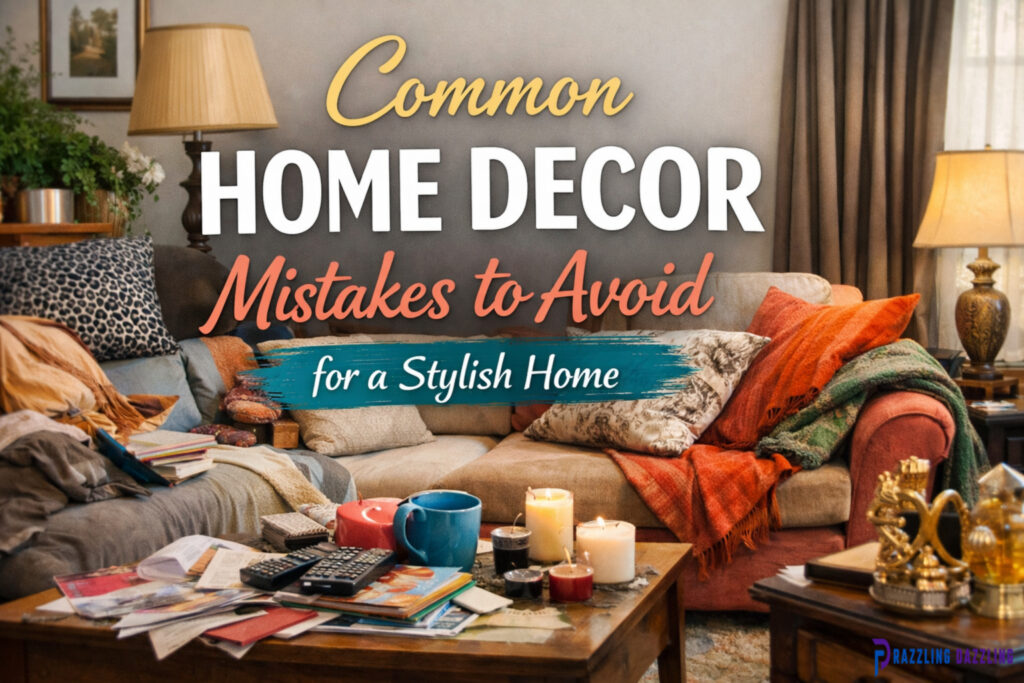
Creating a stylish home is not only about buying beautiful furniture or following the latest trends. True style comes from balance, thoughtful planning, and understanding how different design elements work together. Many homeowners invest time and money into decorating, yet still feel something is “off” in their space. More often than not, the issue lies in common home décor mistakes that disrupt harmony and functionality.
At Razzling Dazzling, we believe that knowing what not to do is just as important as knowing what to do. This guide explores the most common home décor mistakes and explains how to avoid them, helping you create a home that feels polished, comfortable, and visually appealing.
Ignoring a Clear Decor Plan
One of the biggest mistakes homeowners make is decorating without a clear plan. Buying items impulsively often leads to mismatched styles, overcrowded rooms, and wasted money.
Why Planning Matters
Without a defined vision, rooms can feel disjointed. Mixing too many themes, colors, or furniture styles makes a space feel chaotic rather than cohesive.
How to Fix It
Before decorating, decide on:
- A primary design style
- A consistent color palette
- Functional needs for each room
Planning ensures every piece contributes to the overall look and purpose of the space.
Choosing the Wrong Furniture Size
Furniture that is too large or too small for a room can instantly ruin its balance.
Oversized Furniture Issues
Large sofas or bulky cabinets can overwhelm a space, block movement, and make rooms feel cramped.
Undersized Furniture Problems
Furniture that is too small can make a room feel empty and unfinished.
Smart Solution
Measure your space carefully before purchasing furniture. Choose pieces that match the room’s scale and leave enough space for comfortable movement.
Pushing All Furniture Against the Walls
Many people believe pushing furniture against walls makes rooms look bigger. In reality, it often creates awkward empty spaces.
Why This Is a Problem
Wall-hugging furniture can make a room feel disconnected and less inviting.
Better Arrangement
Create conversation areas by grouping furniture together. Even pulling pieces a few inches away from the wall can add depth and improve flow.
Poor Lighting Choices
Lighting is one of the most overlooked elements of home décor, yet it has a huge impact on how a space looks and feels.
Common Lighting Mistakes
- Relying on a single overhead light
- Ignoring task and accent lighting
- Using harsh or mismatched light temperatures
How to Improve Lighting
Use layered lighting that includes ambient, task, and accent lighting. Choose warm tones for relaxation areas and brighter tones for workspaces.
Overusing Trends
Trends are exciting, but overusing them can make a home feel outdated quickly.
Why Trend Overload Is Risky
Trendy items often lose appeal as styles change, leading to frequent redecorating.
Smarter Approach
Use trends sparingly through accessories like cushions, rugs, or artwork. Keep major items such as sofas and flooring timeless.
Neglecting Storage Solutions
A stylish home quickly loses its appeal when clutter takes over.
The Clutter Problem
Lack of proper storage leads to messy surfaces and crowded rooms, no matter how beautiful the décor is.
Smart Storage Tips
- Use multi-functional furniture with built-in storage
- Add shelves or cabinets that blend with décor
- Keep everyday items organized and out of sight
Good storage is essential for maintaining long-term style.
Hanging Artwork Incorrectly
Artwork placement plays a major role in visual balance, yet it’s often done incorrectly.
Common Art Placement Errors
- Hanging art too high
- Using frames that don’t match the room’s style
- Random spacing between pieces
Correct Placement Tips
Hang artwork at eye level and ensure it’s proportionate to nearby furniture. Consistent spacing creates a clean, professional look.
Ignoring Color Harmony
Color has the power to unify or disrupt a space.
Mistakes with Color
- Using too many bold colors in one room
- Ignoring undertones
- Lack of color continuity between rooms
How to Get It Right
Stick to a balanced color palette with one or two accent colors. Ensure smooth transitions between rooms for a cohesive home design.
Choosing Style Over Comfort
A home may look beautiful, but if it’s uncomfortable, it won’t feel inviting.
Where This Goes Wrong
- Uncomfortable seating
- Slippery rugs
- Hard-to-reach storage
Balanced Design
Choose furniture and décor that offer both comfort and style. A stylish home should also support daily living.
Forgetting About Wall Space
Bare walls can make a room feel incomplete, while overcrowded walls feel overwhelming.
Common Wall Decor Mistakes
- Leaving walls completely empty
- Overloading walls with decor
- Lack of visual balance
Smart Wall Styling
Use a mix of artwork, mirrors, shelves, or textured elements to create interest without clutter.
Using the Wrong Rug Size
Rugs help define spaces, but incorrect sizing can disrupt room proportions.
Typical Rug Mistakes
- Rugs that are too small
- Rugs that don’t align with furniture
Proper Rug Placement
In living rooms, ensure at least the front legs of furniture sit on the rug. In bedrooms, rugs should extend beyond the bed for visual balance.
Ignoring Natural Light
Natural light enhances color, mood, and overall ambiance.
Light-Blocking Errors
- Heavy curtains
- Dark window treatments
- Furniture blocking windows
Better Light Management
Use sheer curtains, light colors, and reflective surfaces to maximize daylight and create a brighter atmosphere.
Overdecorating the Space
Too many decorative items can overwhelm a room and hide its true beauty.
Signs of Overdecorating
- Crowded shelves
- Too many patterns
- Lack of visual rest areas
Less Is More
Choose a few statement pieces and allow space for the design to breathe. Simplicity often creates the most elegant interiors.
Ignoring Room Functionality
Every room has a purpose, and décor should support it.
Functional Design Mistakes
- Poor furniture placement
- Lack of task-specific lighting
- Decorative items interfering with usability
Design with Purpose
Consider how each room is used daily and decorate accordingly to improve comfort and efficiency.
Mismatched Accessories and Finishes
Small details matter more than many realize.
Common Issues
- Mixing too many metal finishes
- Inconsistent hardware styles
- Random decorative accessories
Cohesive Finishing Touches
Limit finishes to one or two types per room and repeat materials for a unified look.
Skipping Personal Touches
A home without personality can feel cold and uninviting.
Why This Matters
Overly generic décor lacks warmth and emotional connection.
Personalize Thoughtfully
Incorporate meaningful items such as photos, travel souvenirs, or handmade pieces while keeping the overall design balanced.
Common Questions About Home Decor Mistakes
What is the most common home decor mistake?
Lack of planning is the most common mistake, often leading to cluttered and mismatched spaces.
Can small decor mistakes really affect a home’s style?
Yes, even small issues like poor lighting or wrong rug size can disrupt overall balance.
How do I avoid decorating mistakes on a budget?
Focus on layout, lighting, and decluttering before buying new decor items.
Is following decor trends a bad idea?
Trends are fine when used sparingly; timeless designs work best for major pieces.
Can fixing decor mistakes improve home comfort?
Absolutely. Correct furniture placement and lighting greatly enhance comfort and usability.
Creating a Home That Feels Stylish and Timeless
Avoiding common home décor mistakes can dramatically improve the look and feel of your living space. By focusing on proper planning, scale, lighting, storage, and comfort, you can create a home that feels both stylish and functional.
At Razzling Dazzling, we believe great décor is about thoughtful choices, not expensive ones. When design elements work together seamlessly, your home becomes a place that reflects your lifestyle, personality, and sense of style—today and for years to come.