
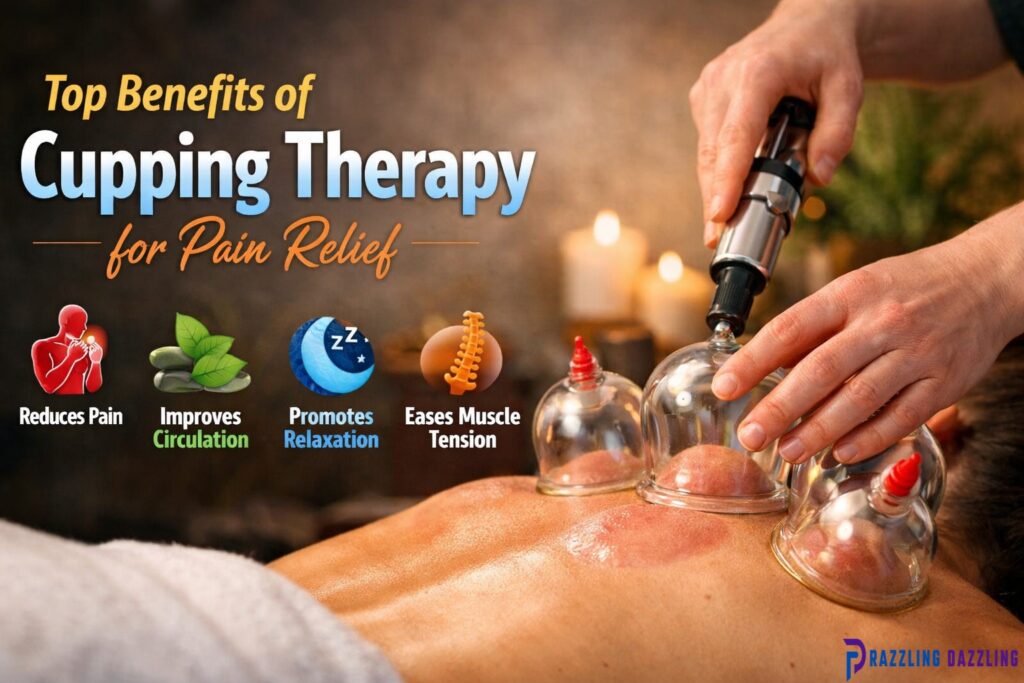
Cupping therapy, an ancient healing practice rooted in traditional Chinese and Middle Eastern medicine, has gained global popularity for its natural approach to pain relief and overall wellness. At Razzling Dazzling, we believe in exploring holistic methods that complement modern healthcare, and cupping therapy stands out as a remarkable option for those seeking non-invasive pain management solutions.
This comprehensive guide will walk you through what cupping therapy is, how it works, and the top benefits it offers for pain relief.
What is Cupping Therapy?
Cupping therapy is a form of traditional alternative medicine that originated in ancient China and has been practiced in Middle Eastern and European cultures for centuries. The therapy involves placing cups on the skin and creating a suction effect, either through heat (fire cupping) or mechanical pumps (modern cupping sets). This suction pulls the skin upward, stimulates blood flow, and encourages healing in targeted areas.
There are several types of cupping techniques, including:
- Dry Cupping: Suction cups are applied without drawing blood.
- Wet Cupping: Involves making small incisions in the skin to remove a small amount of blood along with the suction process.
- Massage Cupping: Cups are moved along the skin to provide a massage effect.
- Fire Cupping: Traditional method using heated cups to create suction.
The method may sound unusual to newcomers, but clinical studies and centuries of anecdotal evidence suggest that cupping therapy can be a safe and effective way to relieve pain, improve circulation, and promote overall wellness.
How Does Cupping Therapy Work for Pain Relief?
Pain is often caused by inflammation, muscle tension, or restricted blood flow. Cupping therapy addresses these issues through several mechanisms:
- Improved Blood Circulation: The suction created by cups draws blood to the surface of the skin, enhancing nutrient delivery and waste removal.
- Release of Muscle Tension: By lifting the skin and fascia, cupping helps loosen tight muscles and reduces stiffness.
- Activation of the Lymphatic System: Cupping promotes lymph flow, which helps remove toxins and reduces swelling that can cause discomfort.
- Pain Gate Theory: Suction may stimulate nerve endings, interrupting pain signals and providing temporary relief.
Because of these effects, cupping therapy has become a popular natural alternative for managing chronic pain conditions, including back pain, arthritis, fibromyalgia, and migraines.
Top Benefits of Cupping Therapy
Here are the most notable benefits of cupping therapy, especially when it comes to pain relief:
Relieves Chronic Back and Neck Pain
Back and neck pain affect millions of people worldwide, often caused by poor posture, prolonged sitting, or underlying medical conditions. Cupping therapy targets these areas by improving circulation and reducing muscle tension.
Research shows that patients with chronic neck and back pain report significant relief after regular cupping sessions. The therapy can reduce pain intensity and improve mobility, making daily activities more comfortable.
Reduces Muscle Soreness and Stiffness
Athletes and fitness enthusiasts often turn to cupping therapy to alleviate post-workout soreness. The suction helps stretch muscle fibers and fascia, enhancing blood flow and promoting faster recovery.
Studies indicate that cupping can reduce delayed onset muscle soreness (DOMS) and accelerate the healing of muscle injuries, making it an ideal addition to sports recovery routines.
Helps Manage Migraine and Headache Pain
Migraines and tension headaches can be debilitating, but cupping therapy offers a natural alternative to pharmaceutical treatments. By improving circulation and reducing muscle tension in the neck, shoulders, and upper back, cupping can decrease headache frequency and intensity.
A number of clinical studies suggest that patients receiving cupping therapy experienced fewer migraine attacks and reported improved quality of life.
Promotes Joint Health and Relieves Arthritis Pain
Individuals with arthritis often experience joint stiffness, inflammation, and pain. Cupping therapy can help alleviate these symptoms by increasing blood flow and reducing inflammation in affected joints.
Some research demonstrates that regular cupping sessions can improve joint mobility, reduce swelling, and lessen pain in conditions like osteoarthritis and rheumatoid arthritis.
Supports Relaxation and Reduces Stress-Related Pain
Pain isn’t always purely physical—stress and tension often amplify discomfort. Cupping therapy has a calming effect on the nervous system, reducing stress-related pain and promoting relaxation.
The release of endorphins during cupping therapy provides a natural analgesic effect, helping patients feel more comfortable and less anxious.
Enhances Recovery from Injuries
From sprains and strains to minor sports injuries, cupping therapy accelerates recovery by boosting circulation and promoting tissue repair. It can help remove lactic acid and other metabolic waste products from damaged tissues, reducing soreness and speeding up healing.
Athletes, physical therapists, and healthcare practitioners often use cupping as a complementary treatment to improve recovery outcomes.
Improves Blood Flow and Detoxification
Cupping therapy stimulates microcirculation in the skin and underlying tissues. This improved blood flow not only provides nutrients and oxygen to damaged areas but also helps remove toxins and metabolic waste products.
By supporting detoxification, cupping therapy may prevent inflammation-related pain and contribute to overall well-being.
Boosts Immune Function and Reduces Inflammation
Some studies suggest that cupping therapy may modulate the immune system and reduce inflammatory markers in the body. Chronic inflammation is a major cause of persistent pain, and therapies that reduce inflammation can significantly improve quality of life.
Regular cupping sessions may therefore support the body’s natural healing mechanisms and reduce the likelihood of recurrent pain.
Complementary Therapy for Other Pain Treatments
Cupping therapy works well in conjunction with other pain management strategies, such as physical therapy, massage, acupuncture, and medications. It can enhance the effectiveness of these treatments by promoting circulation, flexibility, and tissue healing.
Healthcare providers often recommend cupping as a holistic approach to chronic pain management rather than a standalone cure.
What to Expect During a Cupping Session
If you’re considering cupping therapy, here’s what typically happens during a session:
- Consultation: The therapist reviews your health history and identifies areas of pain or tension.
- Preparation: Skin is cleaned, and sometimes oil is applied to allow smooth cup movement.
- Application: Cups are placed on the skin, and suction is applied.
- Duration: Cups usually remain on the skin for 5–15 minutes, depending on the condition being treated.
- Aftercare: Red marks or bruises may appear, which usually fade within a few days. Patients are advised to rest and hydrate.
The procedure is generally safe when performed by a trained practitioner, but it’s important to communicate with your therapist about any discomfort or medical concerns.
Are There Any Side Effects of Cupping Therapy?
Cupping therapy is considered safe for most people. However, some mild side effects may occur:
- Temporary skin discoloration (bruising)
- Mild soreness or tenderness
- Lightheadedness in rare cases
Serious complications are extremely rare, but individuals with bleeding disorders, skin infections, or certain medical conditions should consult a healthcare provider before undergoing cupping therapy.
Who Can Benefit the Most from Cupping Therapy?
Cupping therapy can benefit a wide range of individuals, including:
- Chronic Pain Sufferers: Individuals with long-term back, neck, or joint pain.
- Athletes: Those seeking faster recovery from workouts or injuries.
- Stress-Prone Individuals: People experiencing tension-related headaches, muscle stiffness, or stress-induced pain.
- Arthritis Patients: Those looking to relieve inflammation and joint pain naturally.
- Holistic Health Enthusiasts: Individuals preferring alternative or complementary therapies over medications.
While cupping therapy offers significant benefits, it’s always advisable to consult a healthcare professional, especially if you have underlying medical conditions or are pregnant.
Tips for Maximizing the Benefits of Cupping Therapy
To get the most out of cupping therapy for pain relief, consider the following tips:
- Stay Hydrated: Drink plenty of water before and after sessions to help flush out toxins.
- Schedule Regular Sessions: Depending on the severity of pain, consistent sessions may yield better results.
- Combine with Other Therapies: Pair cupping with stretching, massage, or physiotherapy for optimal recovery.
- Eat a Healthy Diet: Anti-inflammatory foods can enhance the benefits of cupping.
- Rest: Allow your body time to recover after each session.
Following these practices can significantly enhance the effectiveness of cupping therapy and promote long-term pain relief.
Scientific Support for Cupping Therapy
While cupping therapy is rooted in traditional medicine, modern research has increasingly validated its benefits:
- A study published in the Journal of Pain Research found that cupping therapy significantly reduced pain in patients with chronic neck and shoulder pain.
- Research in Evidence-Based Complementary and Alternative Medicine concluded that cupping therapy improved pain and function in individuals with knee osteoarthritis.
- Another clinical trial highlighted the effectiveness of cupping in alleviating migraine symptoms and reducing headache frequency.
Although more large-scale studies are needed, current evidence supports the use of cupping as a complementary therapy for pain management.
Common Questions About Cupping Therapy
What is cupping therapy?
Cupping therapy is an alternative treatment that uses suction cups to improve blood flow, relieve muscle tension, and reduce pain.
Does cupping therapy really help with back pain?
Yes, studies and anecdotal evidence show cupping can relieve chronic back pain by increasing circulation and loosening tight muscles.
How long do cupping therapy results last?
Results vary, but many people experience pain relief for days to weeks. Regular sessions may provide longer-lasting benefits.
Are there side effects of cupping therapy?
Mild side effects include temporary bruising, soreness, or skin discoloration. Serious complications are rare when done by a trained professional.
Who should avoid cupping therapy?
People with bleeding disorders, skin infections, or certain medical conditions, as well as pregnant women, should consult a doctor before cupping.
Final Thoughts on Pain Relief with Cupping Therapy
Cupping therapy offers a holistic approach to pain relief that addresses both the physical and emotional aspects of discomfort. By improving circulation, releasing muscle tension, reducing inflammation, and promoting relaxation, cupping provides a natural solution for individuals struggling with chronic pain, migraines, arthritis, or post-exercise soreness.
For those seeking a safe and effective alternative to medications, cupping therapy is a proven option worth exploring. Always consult a trained professional to ensure safe and personalized treatment.